Start with what needs to stay on
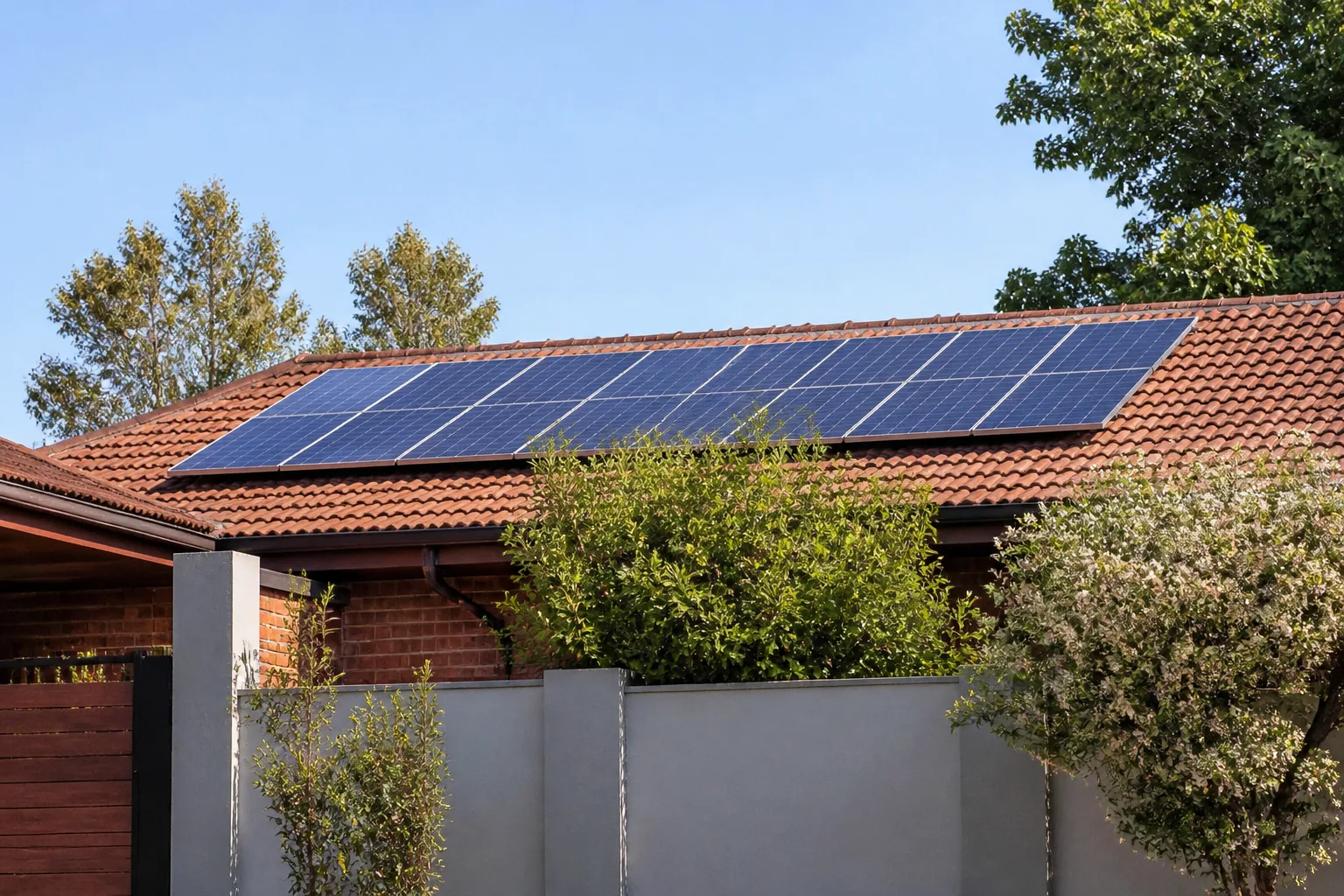
A useful solar design begins at the distribution board, not with a package size. We look at your electricity use, essential circuits, daytime demand and roof before specifying a hybrid inverter, array and lithium battery capacity.
That assessment tells us whether you need backup for lights and connectivity, wider coverage for the household, or a system planned around heavier loads. We then set out the proposed equipment, protection and installation sequence for your property.
Every component has a job to do
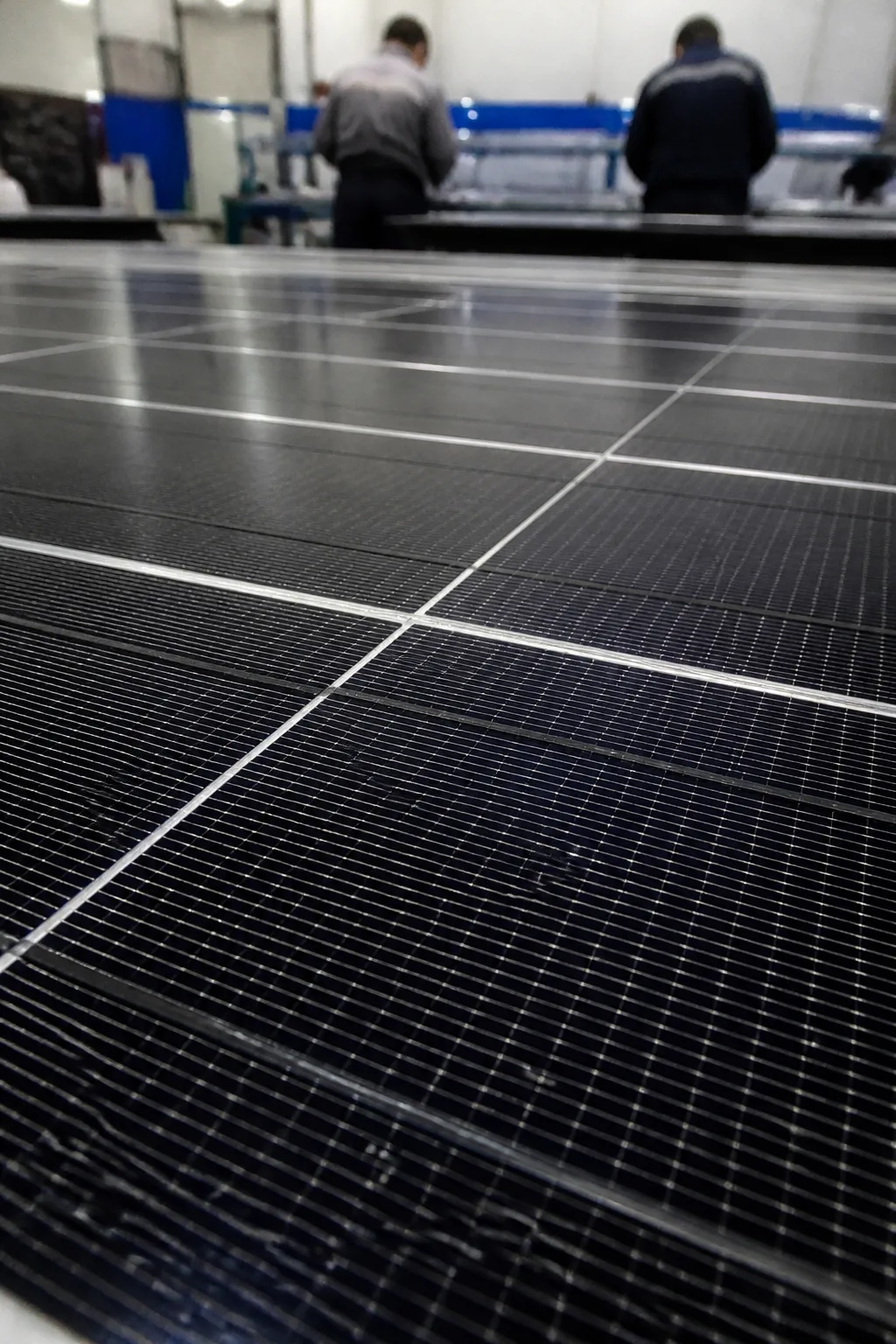
We match generation, storage and the equipment using the power. The right combination depends on your property and the loads you want the system to carry.
Hybrid solar installations
Panels generate power during daylight; a hybrid inverter manages how it is used alongside the grid and battery. Roof layout, shading and electrical protection shape the final design.
Lithium battery systems
Storage is specified around the circuits you need during an outage and how long they need to run. We consider battery capacity and inverter output together rather than treating either as a standalone purchase.
Solar geysers & pool pumps
Hot water and pool circulation can account for substantial household demand. We help assess specialist equipment that moves more of those tasks into available sunshine.
A working system should also be a documented one
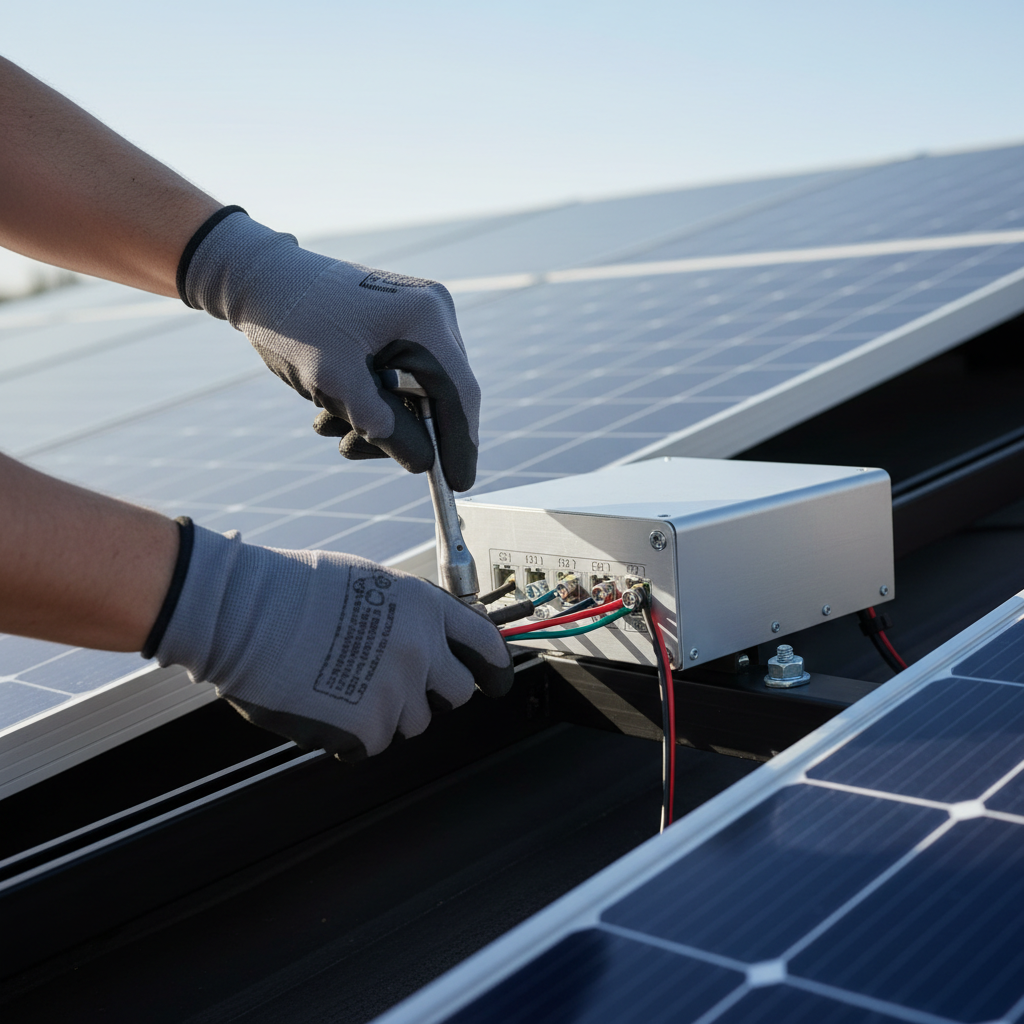
Installation brings the array, inverter, battery and electrical protection together. We test the completed system and explain how its operating modes relate to your everyday power use.
Small-scale embedded generation requirements vary by electricity supplier and system configuration. Nungu Solar helps establish what applies to your property and assists with the documentation and submission process for SSEG registration.
Before the site assessment
How long does a home solar installation take?
Timing depends on the roof, distribution board, system size and any preparatory electrical work. We assess those details before setting out the installation sequence and expected schedule.
Can I begin with battery backup and add panels later?
That can be part of the plan, provided the inverter, battery and electrical design are chosen with the later array in mind. We’ll discuss the likely expansion during the initial assessment.
What is SSEG registration?
Small-scale embedded generation registration is the process used to declare an eligible solar installation to the relevant electricity supplier. Requirements vary by supply authority and system configuration; we help establish what applies to your installation.
Do you work outside Centurion?
Yes. Nungu Solar serves Centurion, Pretoria and the broader Gauteng region from The Reeds.
Let’s design for the home you actually run
Tell us about your electricity use, your roof and what you need to keep powered. We’ll take the conversation from there.